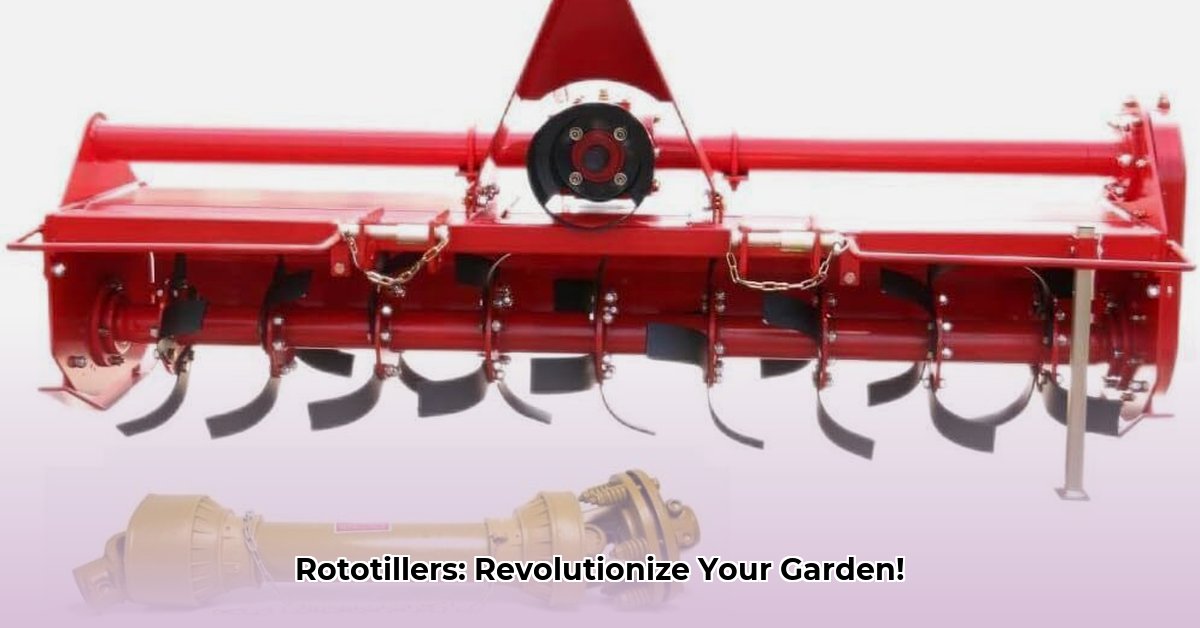
Understanding Sustainable Soil Management: Beyond the Buzzwords
Sustainable agriculture isn't just a trend; it's a necessity. Traditional farming methods, often involving extensive tillage, can damage soil structure, leading to erosion, nutrient depletion, and reduced water retention. Healthy soil is the foundation of a productive farm. Damaged soil is unproductive and susceptible to disease. Sustainable tillage minimizes soil disturbance, fostering a thriving ecosystem underground. Methods include no-till farming (no soil disturbance), reduced tillage (minimal disruption), and cover cropping (planting protective and nutrient-rich plants). Rototillers, while useful in specific situations, aren't always the best choice for sustainable practices. The key is finding the right balance. What tillage methods do you currently employ, and how effectively do they support your long-term goals? For more on compact tractor tillers, see this resource.
Choosing Your Rototiller at Tractor Supply: A Tailored Approach
Tractor Supply offers a wide selection of rototillers. Choosing the right one depends on several factors:
- Soil type: Heavy clay soils need powerful tillers; lighter soils need lighter equipment. Using a powerful machine on sandy soil can be damaging.
- Land size: Small gardens need smaller tillers; larger areas need more robust models.
- Budget: Tractor Supply provides options for various budgets. Consider a realistic investment for your sustainable farming goals.
- Fuel type: Gasoline offers power; electric is greener and quieter. Electric models may be slower but gentler on the environment.
Integrating Rototillers into Your Sustainable Farming System: A Measured Approach
Even with a sustainable approach, rototillers can have a place, such as for initial soil preparation or specific tasks. Here's how to use them responsibly:
- Minimize Tillage: Only till when essential. Over-tilling weakens soil structure and hinders plant growth.
- Select the Right Tool: Choose a tiller suited to your soil and project scale.
- Consider Timing: Till at optimal times to minimize erosion and maximize benefits. Avoid tilling when the soil is too wet or too dry.
- Maintain Your Equipment: Regular maintenance prolongs the tiller's life and efficiency, reducing soil stress.
By using rototillers thoughtfully, you can integrate them into sustainable practices.
Comparing Tillage Methods: A Practical Comparison
Conventional and sustainable tillage methods differ significantly:
| Method | Soil Health Impact | Environmental Impact | Cost | Long-Term Benefits |
|---|---|---|---|---|
| Conventional Tillage | Generally Negative | High | Initially Lower | Reduced soil health, increased costs over time |
| No-Till | Generally Positive | Low | Initially Higher | Improved soil health, reduced costs long-term |
| Reduced/Conservation Tillage | Generally Positive | Moderate | Moderate | Balanced approach to soil health and cost |
Sustainable farming isn't about rejecting tools, but using them wisely. A rototiller, when used correctly and judiciously, can be a valuable asset.
How to Choose Sustainable Tillage Equipment for Small Farms: A Step-by-Step Guide
Choosing the right tillage equipment is key for sustainable small-scale farming.
No-Till vs. Conventional Tillage: Weighing the Options
No-till farming, which avoids plowing, offers numerous benefits: improved soil health, water conservation, reduced costs. But it's not suitable for all situations. Conventional tillage, while effective in some cases, often causes soil erosion and increased fuel consumption.
Assessing Your Needs: Soil, Crops, and Budget
Consider your:
- Soil type: No-till works best with certain soil structures.
- Crop selection: Some crops thrive in no-till systems.
- Budget: Used equipment can be a cost-effective option.
Choosing the Right Equipment: A Practical Guide
- Assess soil and crops: Determine the optimal tillage method.
- Set a budget: Account for equipment, maintenance and repairs.
- Research equipment: Explore Tractor Supply's offerings, comparing features and specifications.
- Consider maintenance: Factor in maintenance and repair costs.
- Read reviews: Check reviews for insights from other farmers.
Sustainable Tillage Equipment: Advantages and Disadvantages
| Feature | No-Till | Conventional Tillage |
|---|---|---|
| Soil Health | Improves soil structure, reduces erosion | Can disrupt soil structure, increase erosion |
| Water Conservation | Improves water infiltration | Can lead to increased water runoff |
| Labor Costs | Lower labor requirements | Higher labor requirements |
| Fuel Costs | Lower fuel consumption | Higher fuel consumption |
| Weed Control | Can be challenging | Generally easier |
| Initial Investment | Potentially higher upfront costs | Typically lower upfront costs |
Remember: Careful planning and research are crucial for maximizing the benefits of your tillage equipment and building a truly sustainable farm.